ReVoice
A Campaign to Restore, Renew, and Preserve Our Musical Heritage
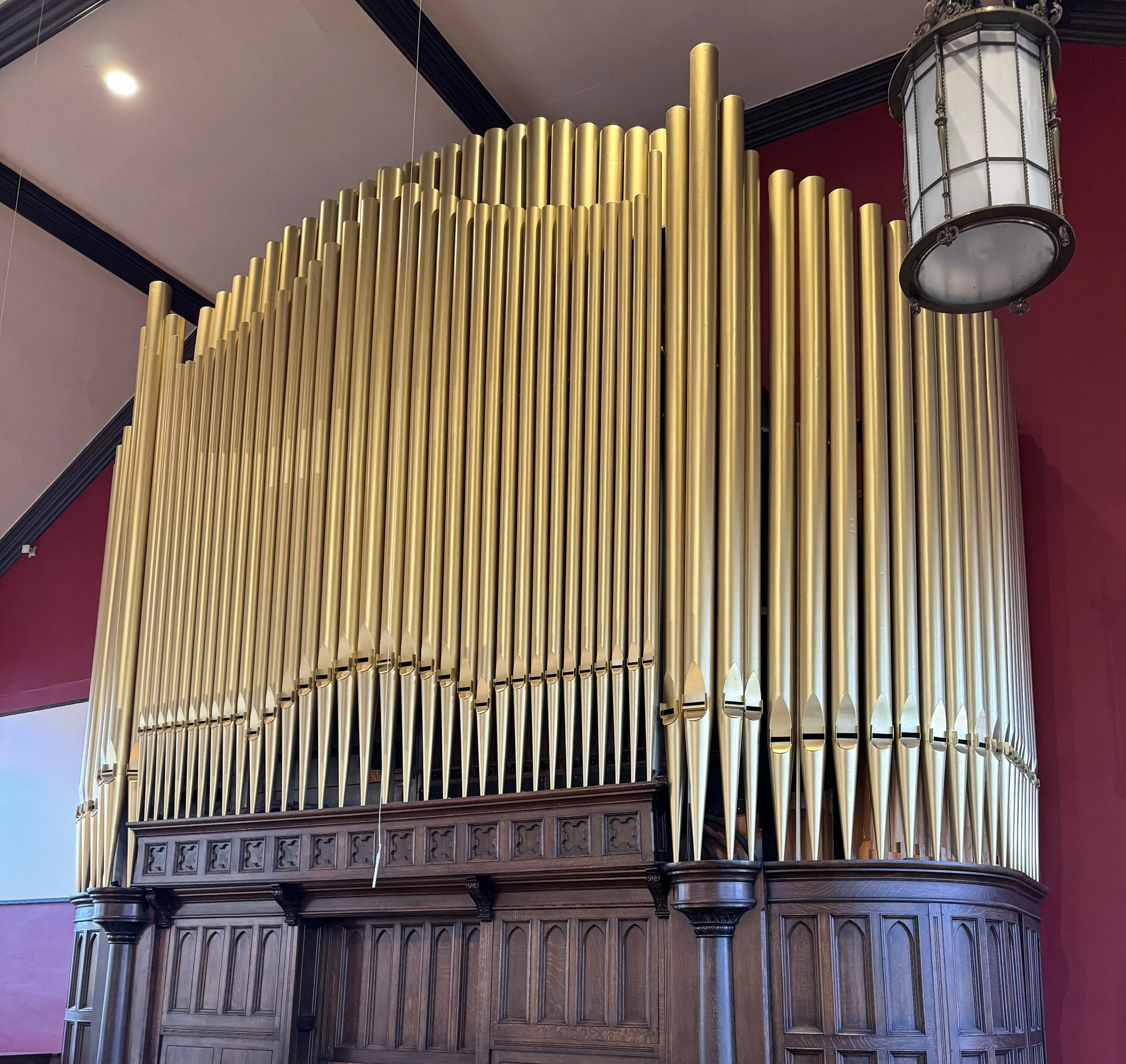
For over a century, the organ at Sewickley United Methodist Church has been the heart of our worship, accompanying countless hymns, celebrations, and moments of reflection. As a vital part of our music ministry, it has brought people together, lifting spirits and enriching worship with its timeless beauty.
In 2014, we began restoring this beloved instrument, but due to funding limitations, the work remains unfinished. Now, we are launching ReVoice, the Phase II Organ Restoration and Renewal Campaign. to ensure the organ can be fully used in worship services and community events. With your support, we can preserve this cherished instrument for years to come.
A History of Sewickley UMC Organs
Explore how the organs of Sewickley United Methodist Church have evolved
across generations to support worship, music, and community.
Why the Organ Matters
-
✺
It is more than just an instrument—it is a symbol of our musical tradition and spiritual life.
-
✺
It plays a central role in worship, accompanying choirs, instrumentalists, and congregational singing.
-
✺
Its ability to convey both solemnity and celebration makes it a vital part of services ranging from weddings to funerals, Easter celebrations to Christmas Eve services.
-
✺
Beyond worship, it is a key element in our community’s musical life.
-
✺
We have hosted organ recitals, special performances, and community events that highlight this incredible instrument.
-
✺
Restoring the organ is about preserving this legacy and ensuring that future generations will experience its unmatched beauty.
Projected Budget
Income
Direct Donations - $55,000
Individual donations from congregants, supporters, and community members via online, in-person, and direct mail appeals.Grants & Foundations - $50,000
Pursue local, state, and national grants for historical and music preservation, such as those offered by the National Endowment for the Arts or local foundations like the Pittsburgh Foundation.Corporate Sponsorships - $20,000
Partner with local and regional businesses for sponsorship opportunities. Offer recognition through marketing materials and event promotions.
Sponsor-a-pipe program: businesses and individuals can sponsor specific parts of the organ restoration.Special Fundraising Events - $20,000
Organ-themed concerts, recitals, or community fundraising events (e.g., dinners or auctions).In-Kind Contributions - $10,000
Goods and services donated to the campaign, such as marketing support, materials, or event logistics.
Total Projected Income - $155,000
Expenses
Organ Restoration Costs - $125,000
Core expenses related to the mechanical and aesthetic restoration of the organ.Campaign Marketing & Outreach - $10,000
Promotional efforts for fundraising and outreach, including advertising and printed materials.Fundraising Event Costs - $7,500
Venue, logistics, and materials for hosting fundraising events and auctions.Administrative Costs - $5,000
Donation processing, accounting, and campaign management.Contingency Fund - $7,500
Reserved for unexpected costs related to the restoration process or events.
Total Projected Expenses - $155,000
The Restoration Process
Restoring an organ is a complex and delicate process that involves skilled artisans and expert technicians. Every pipe, key, and mechanism must be carefully evaluated, repaired, and, in some cases, replaced. Since the SUMC organ was partially restored in 2014 (the Great and Choir Divisions), this second phase focuses on the restoration and completion of the Swell and Pedal Divisions. The last time these divisions underwent restoration was in 1966. Phase Two of the restoration will entail:
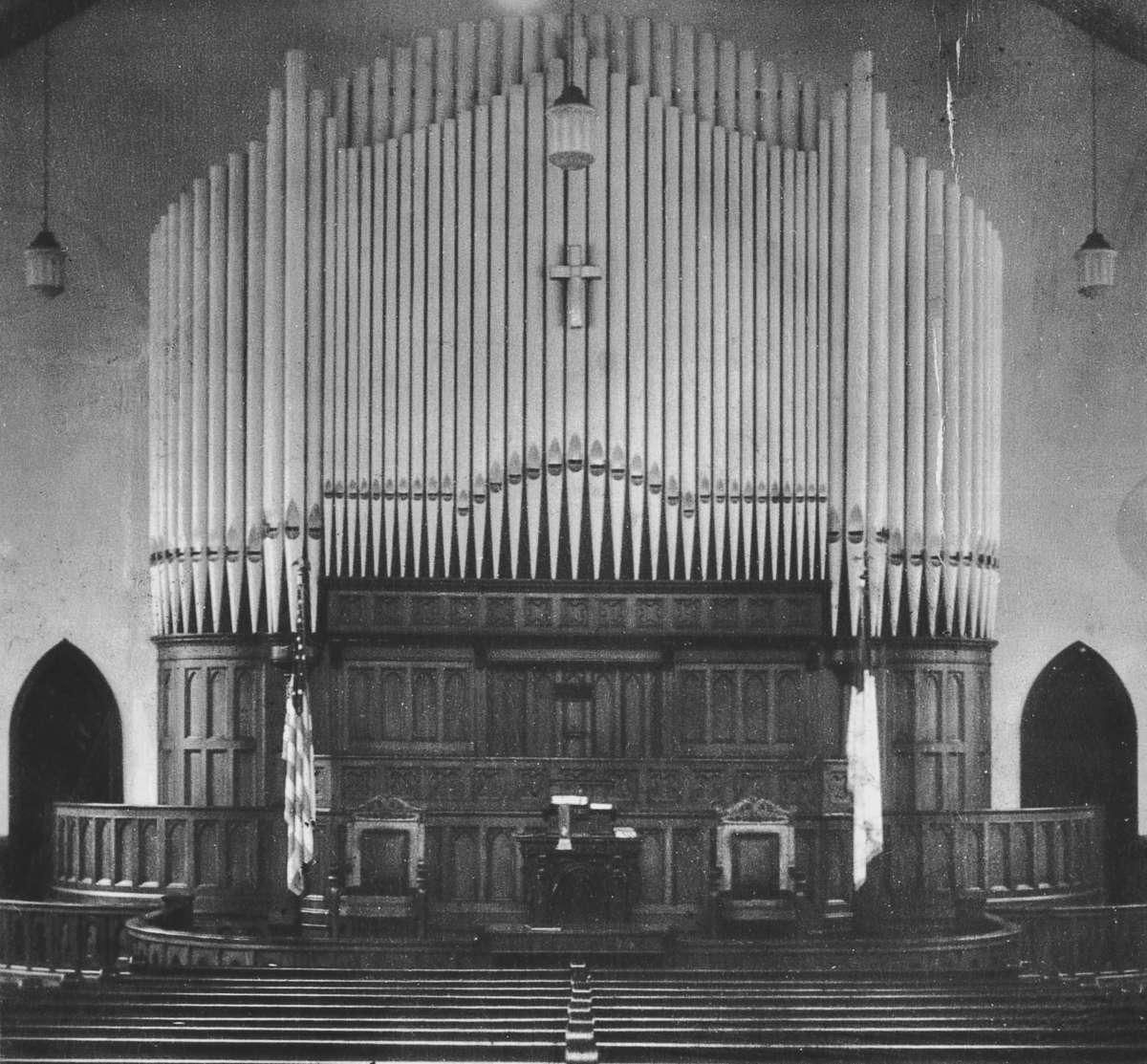
Inspection and Assessment
Before any work begins, the organ undergoes a thorough inspection by expert technicians. This step involves:
Evaluating all components: Technicians will inspect the pipes, wind chests, bellows, console, and key action mechanisms to determine the condition of each part. While the focus is on the Swell and Pedal, the Great and Choir will also be evaluated for needed maintenance.
Documenting wear and tear: Over decades of use, some parts may have degraded, corroded, or become misaligned, affecting the sound quality and playability.
Identifying necessary repairs and replacements: Each piece is evaluated to determine whether it can be restored or needs to be replaced with a new, historically accurate component.
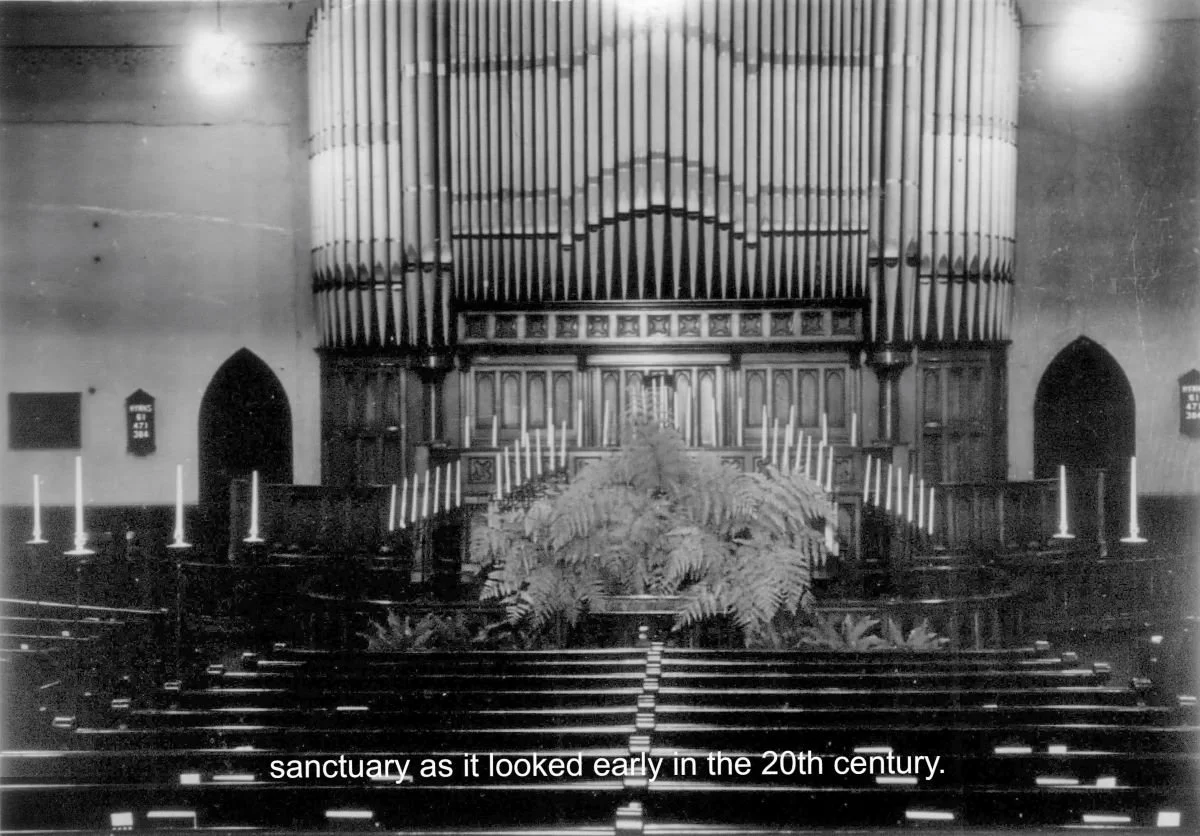
Cleaning and Restoration of the Pipes
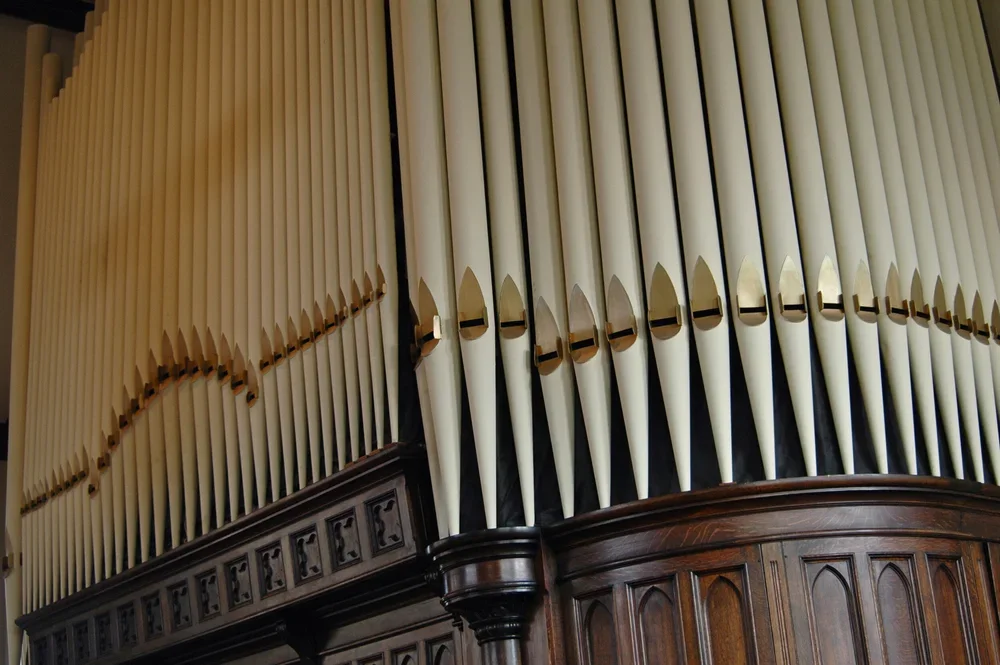
One of the most important and time-consuming tasks in the restoration process is the removing, cleaning, and repair of the organ’s pipes. Each pipe plays a critical role in producing the organ’s rich and diverse sound.
Dirt and debris removal: Over time, dust and debris accumulate inside the pipes, which can muffle or distort the sound. Each pipe will be carefully cleaned to restore its clarity.
Pipe realignment and repair: If pipes are bent or misaligned, technicians will reshape them to their original form. Any cracked or damaged pipes will be repaired or replaced to ensure the integrity of the organ’s sound.
Voicing adjustments: Once the pipes are cleaned, repaired, and reinstalled, the voicing process begins. This involves fine-tuning the pipes to ensure they produce the correct pitch and harmonics, allowing for consistent and balanced sound across the entire instrument.
Entire Instrument: The entire instrument will be cleaned and made sure all parts are in working order, even those restored in the phrase one restoration in 2014.
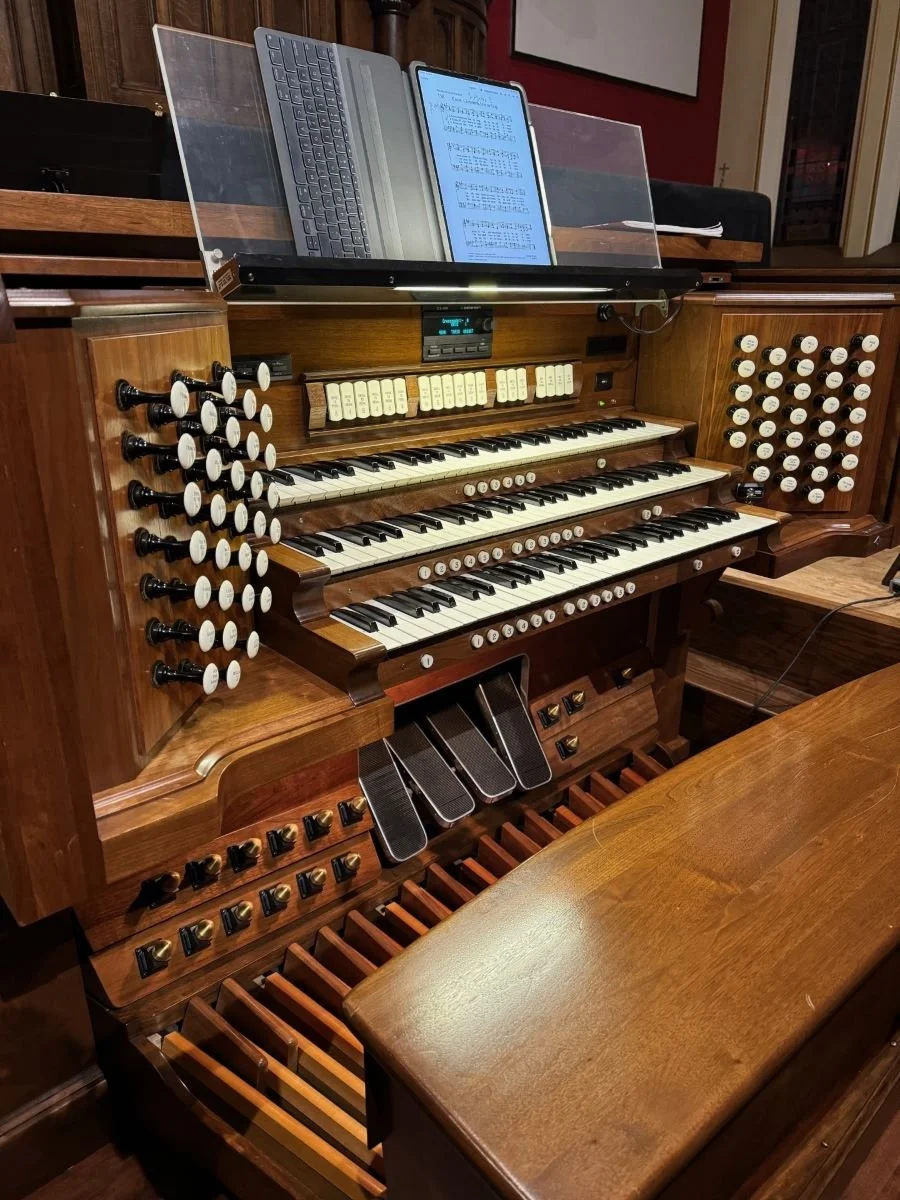
Console Maintenance
The console is the control center of the organ, housing the keys, stops, and pedals that the organist uses to play. The current organ console was newly installed during the first phase of the restoration in 2014 and remains in good overall condition.
Inspection and Cleaning: As part of Phase Two, the console will be thoroughly inspected and carefully cleaned to ensure all components remain responsive and dependable.
Minor Repairs and Adjustments: Any necessary minor repairs, calibrations, or adjustments will be made to address normal wear from regular use.
Preservation and Stewardship: This work protects the original investment, preserves the console’s appearance and integrity, and ensures reliable service for worship and community music-making.
Wind System Restoration
The wind system is the lifeblood of the organ, supplying air to the pipes and allowing the instrument to produce sound. Over time, leaks and deterioration in the wind system can compromise the organ’s performance.
Repairing bellows and wind chests: The bellows, which provide the air pressure needed to sound the pipes, are often subject to wear and can develop leaks. Wind chests will be releathered.
Reinforcing wind trunks: The wind trunks carry air from the bellows to the pipes. Any damaged or weakened trunks will be reinforced or replaced to ensure a steady and reliable airflow.
Reassembly and Tuning
Once all components have been cleaned, repaired, and restored, the organ will be carefully reassembled. This process requires precision to ensure that every part is properly aligned and functions as it should.
Reassembling with precision: Each part will be reinstalled with meticulous care to ensure that the instrument is structurally sound and performs as intended.
Fine-tuning and voicing: After reassembly, the final tuning process begins. Technicians will work to balance the sound, ensuring that each rank of pipes harmonizes perfectly with the others. Voicing adjustments will be made to optimize the organ’s tone and dynamics.
Testing and Final Adjustments
Before the organ is officially back in use, it will undergo extensive testing to ensure that all repairs and restorations have been successful. This step includes:
Playability checks: The organ will be played to ensure that all keys, stops, and pedals respond smoothly and without delay.
Sound quality testing: The entire instrument will be evaluated to ensure that it produces a clear, rich, and balanced sound.
Final adjustments: Any remaining minor issues will be addressed to ensure that the organ is in perfect working condition.

Erik Kolodziej
Executive Director, Charles Wesley Music Foundation